Challenge
The problem
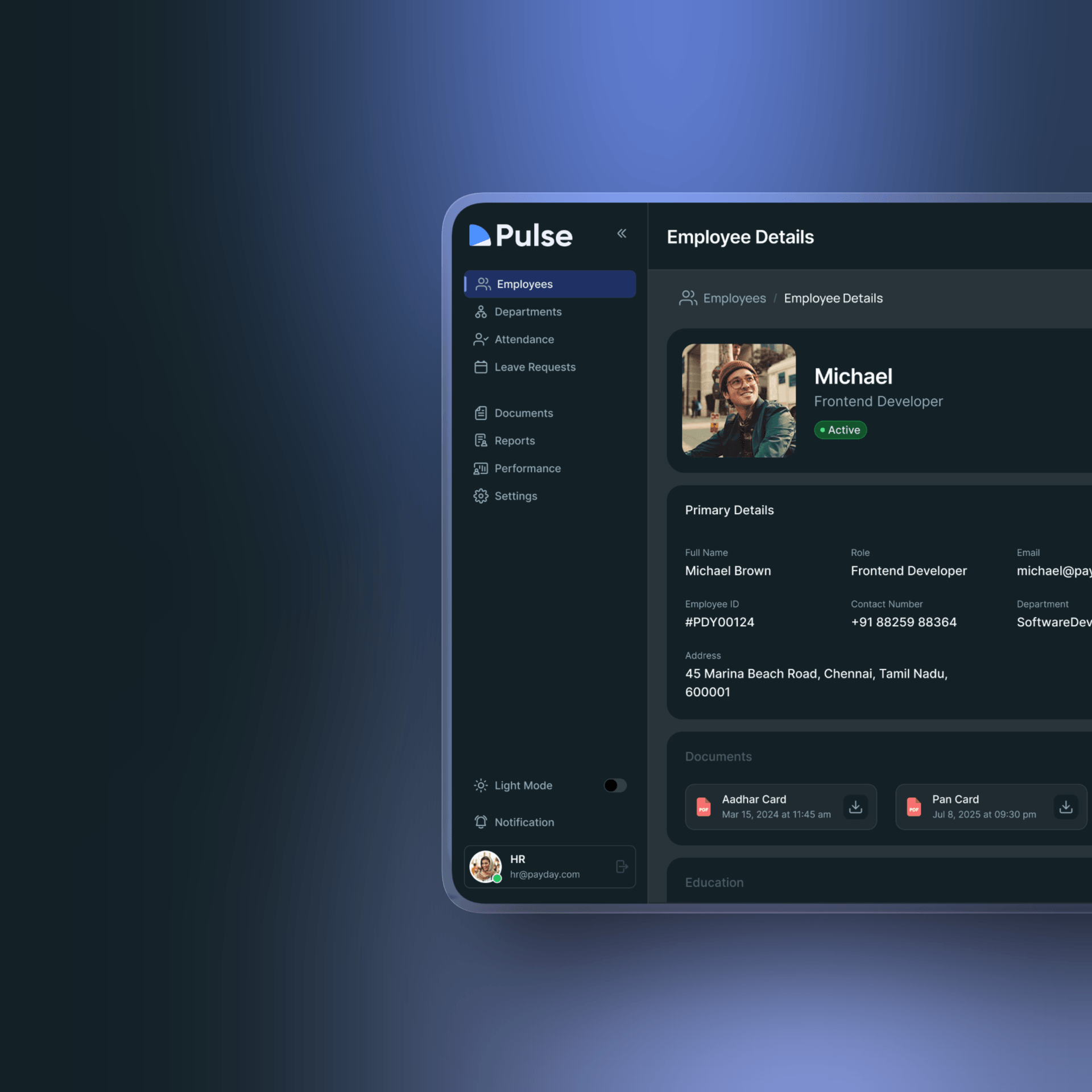
PulseHR had been built module by module for five years. Deeply nested navigation, inconsistent data views, and an 11-step hiring workflow led to a 48% feature abandonment rate, with HR teams falling back on spreadsheets.
The goal was to unify the platform, reduce friction for HR managers, and modernize the design system ahead of a major enterprise sales push.
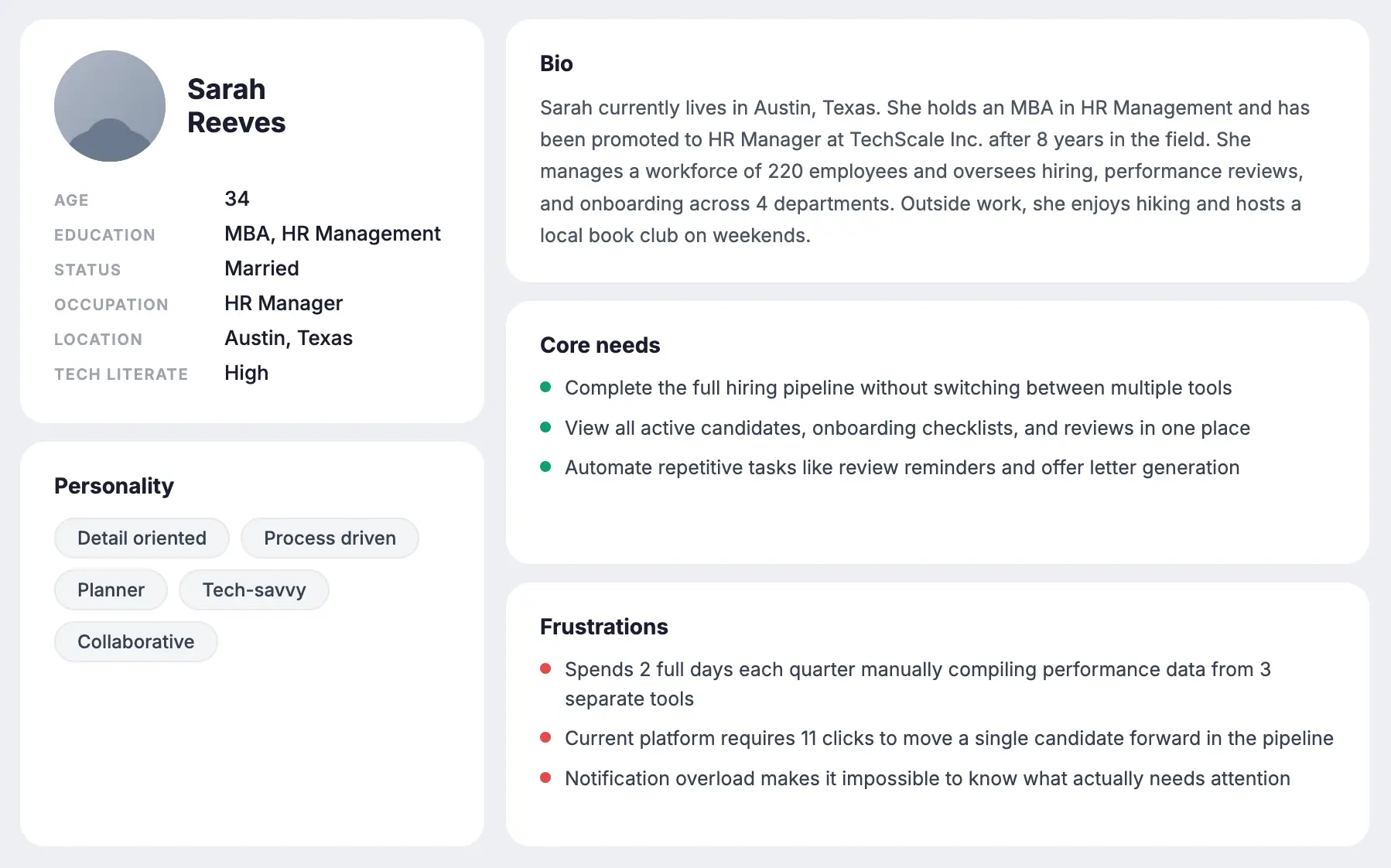
Key pain points
68% of HR managers used external tools for core tasks
Each hiring action took 14 minutes on average
Onboarding new HR staff took 3 weeks
Customer churn rose from 8% to 19% in 18 months
The problem
PulseHR had been built module by module for five years. Deeply nested navigation, inconsistent data views, and an 11-step hiring workflow led to a 48% feature abandonment rate, with HR teams falling back on spreadsheets.
The goal was to unify the platform, reduce friction for HR managers, and modernize the design system ahead of a major enterprise sales push.
Key pain points
68% of HR managers used external tools for core tasks
Each hiring action took 14 minutes on average
Onboarding new HR staff took 3 weeks
Customer churn rose from 8% to 19% in 18 months
Process
Discovery & Research
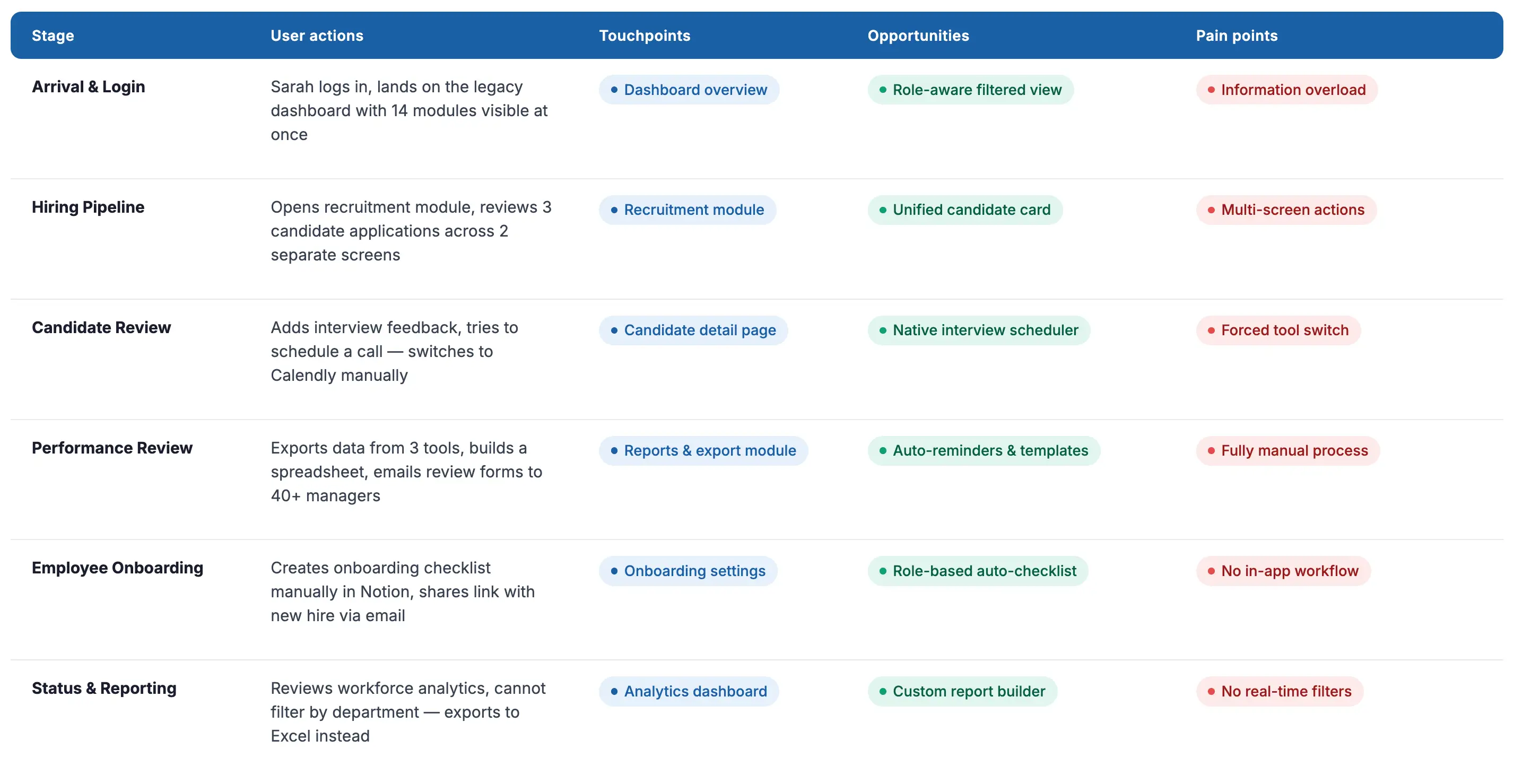
I led a 4-week research sprint combining 22 contextual interviews, 8,500 FullStory session recordings, exit surveys, and an audit of 7 competing HR platforms.
Key findings
HR managers spent 60% of their time on repetitive data entry.
One candidate action needed three different screens.
Review cycles drove the most support tickets every quarter.
Users ignored 80% of notifications due to alert fatigue.
Ideation & Information Architecture
I facilitated a 3-day sprint with product, engineering, and two HR customers as co-designers. Jobs-to-be-done mapping and impact vs. effort scoring turned 140+ ideas into a clear direction.
We converged on ClearDesk, a role-aware dashboard that shows each user only what they need and replaces the legacy navigation with a task-first model.
User Journey Mapping
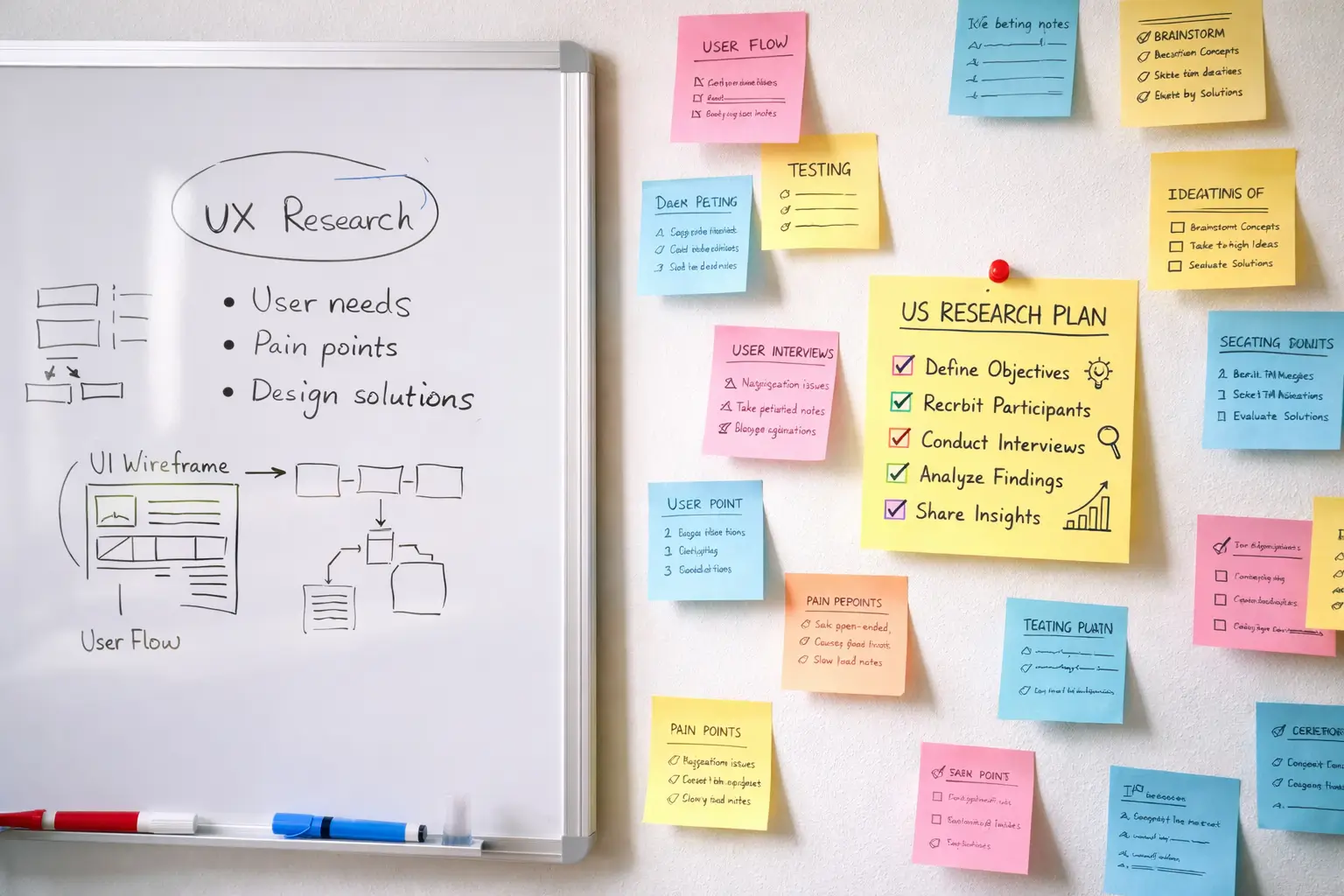
I mapped 5 primary journeys across three roles: HR Manager, Team Lead, and Employee. The priority was cutting the hiring pipeline from 11 steps to 4.
Key journey
Post a job with smart templates and auto-publishing.
Review candidates on one unified card.
Schedule interviews and collect feedback inline.
Generate the offer and start automated onboarding.
This journey defined the role-based navigation and the placement of bulk actions.
Wireframing & Prototyping
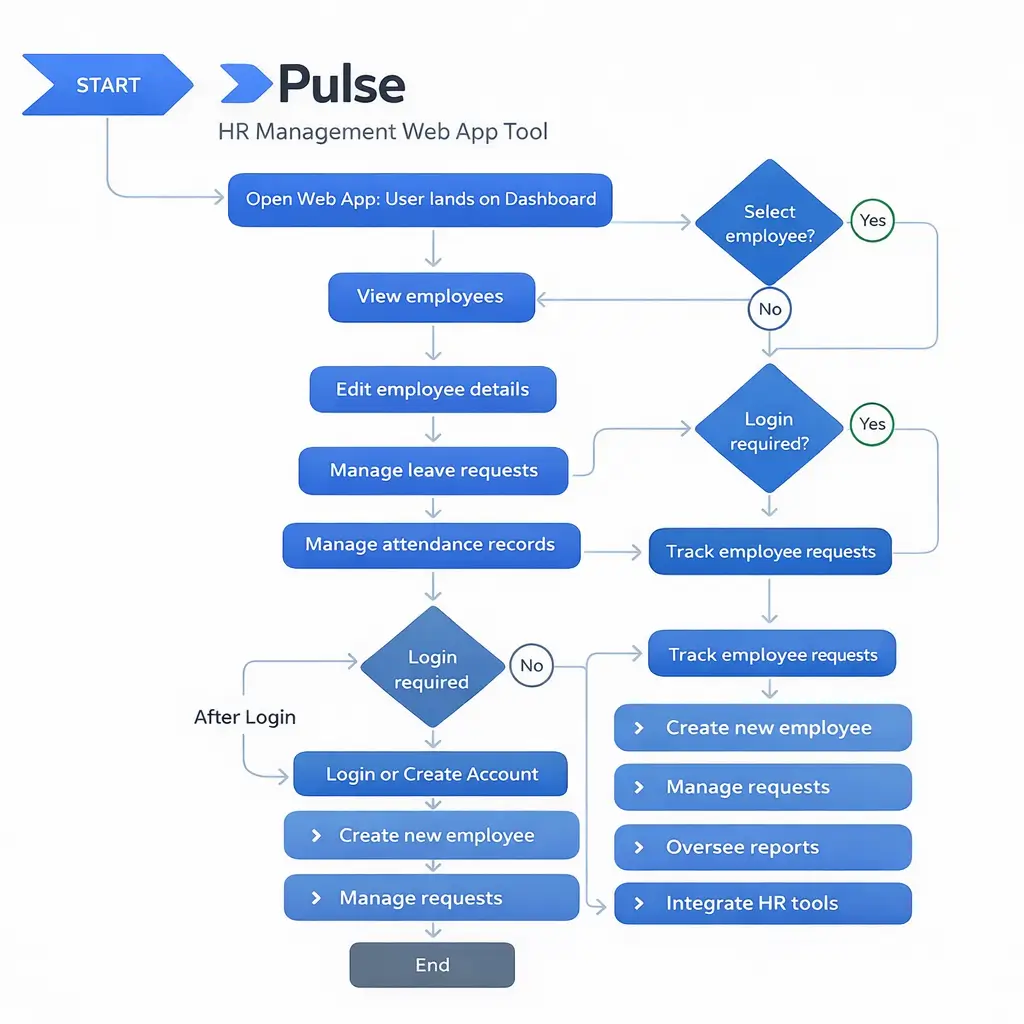
I wireframed 34 key screens over 4 iteration rounds, reviewing each round with 3 customer HR teams, then tested a high-fidelity prototype with 32 participants across all three roles.
Merging the 3-panel candidate review into one card cut time-to-action by 46%, and a contextual command bar brought onboarding down from 3 weeks to 4 days. Wireframes reached a 91% task completion rate, up from 44%.

Discovery & Research
I led a 4-week research sprint combining 22 contextual interviews, 8,500 FullStory session recordings, exit surveys, and an audit of 7 competing HR platforms.
Key findings
HR managers spent 60% of their time on repetitive data entry.
One candidate action needed three different screens.
Review cycles drove the most support tickets every quarter.
Users ignored 80% of notifications due to alert fatigue.
Ideation & Information Architecture
I facilitated a 3-day sprint with product, engineering, and two HR customers as co-designers. Jobs-to-be-done mapping and impact vs. effort scoring turned 140+ ideas into a clear direction.
We converged on ClearDesk, a role-aware dashboard that shows each user only what they need and replaces the legacy navigation with a task-first model.
User Journey Mapping
I mapped 5 primary journeys across three roles: HR Manager, Team Lead, and Employee. The priority was cutting the hiring pipeline from 11 steps to 4.
Key journey
Post a job with smart templates and auto-publishing.
Review candidates on one unified card.
Schedule interviews and collect feedback inline.
Generate the offer and start automated onboarding.
This journey defined the role-based navigation and the placement of bulk actions.
Wireframing & Prototyping
I wireframed 34 key screens over 4 iteration rounds, reviewing each round with 3 customer HR teams, then tested a high-fidelity prototype with 32 participants across all three roles.
Merging the 3-panel candidate review into one card cut time-to-action by 46%, and a contextual command bar brought onboarding down from 3 weeks to 4 days. Wireframes reached a 91% task completion rate, up from 44%.
Outcome
Results
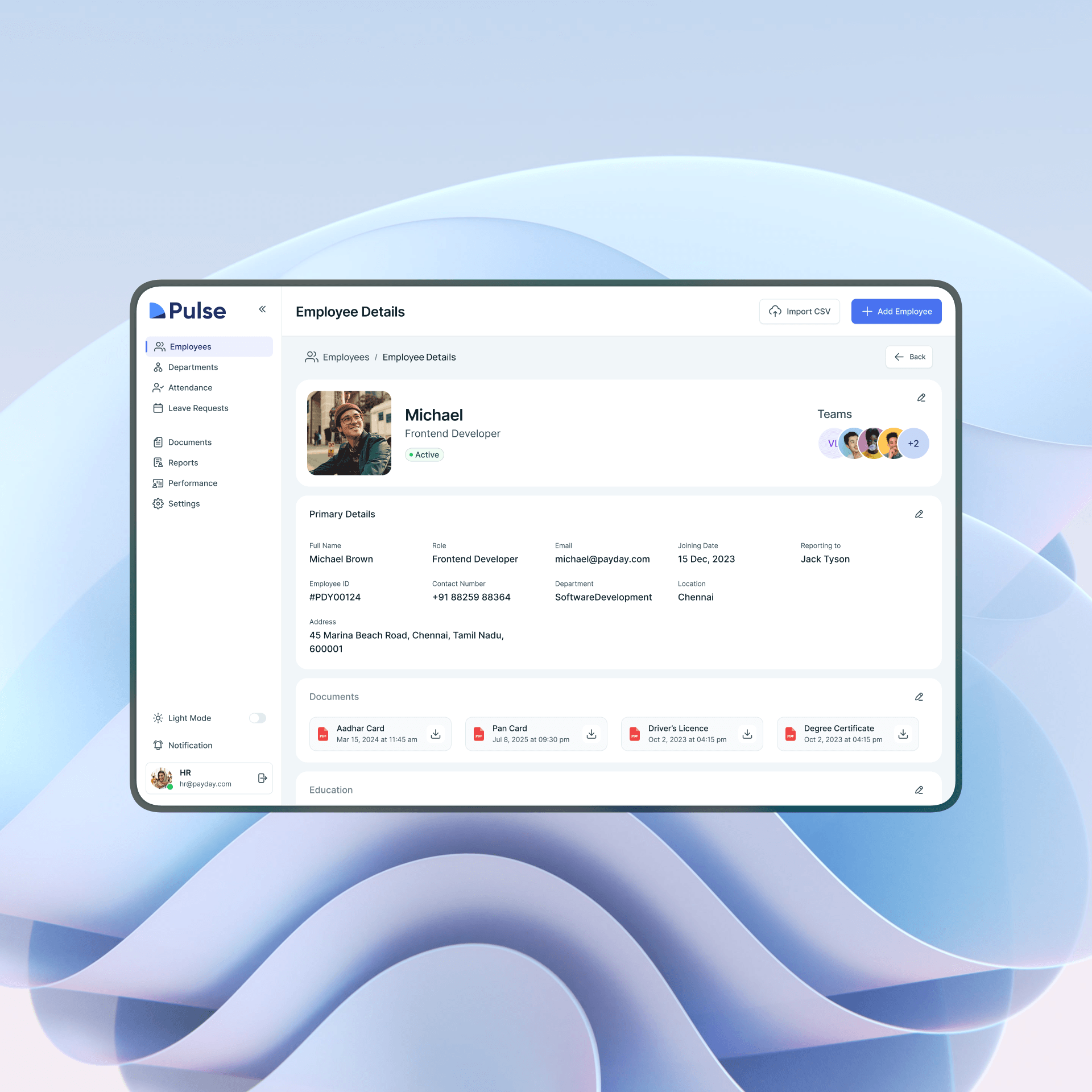
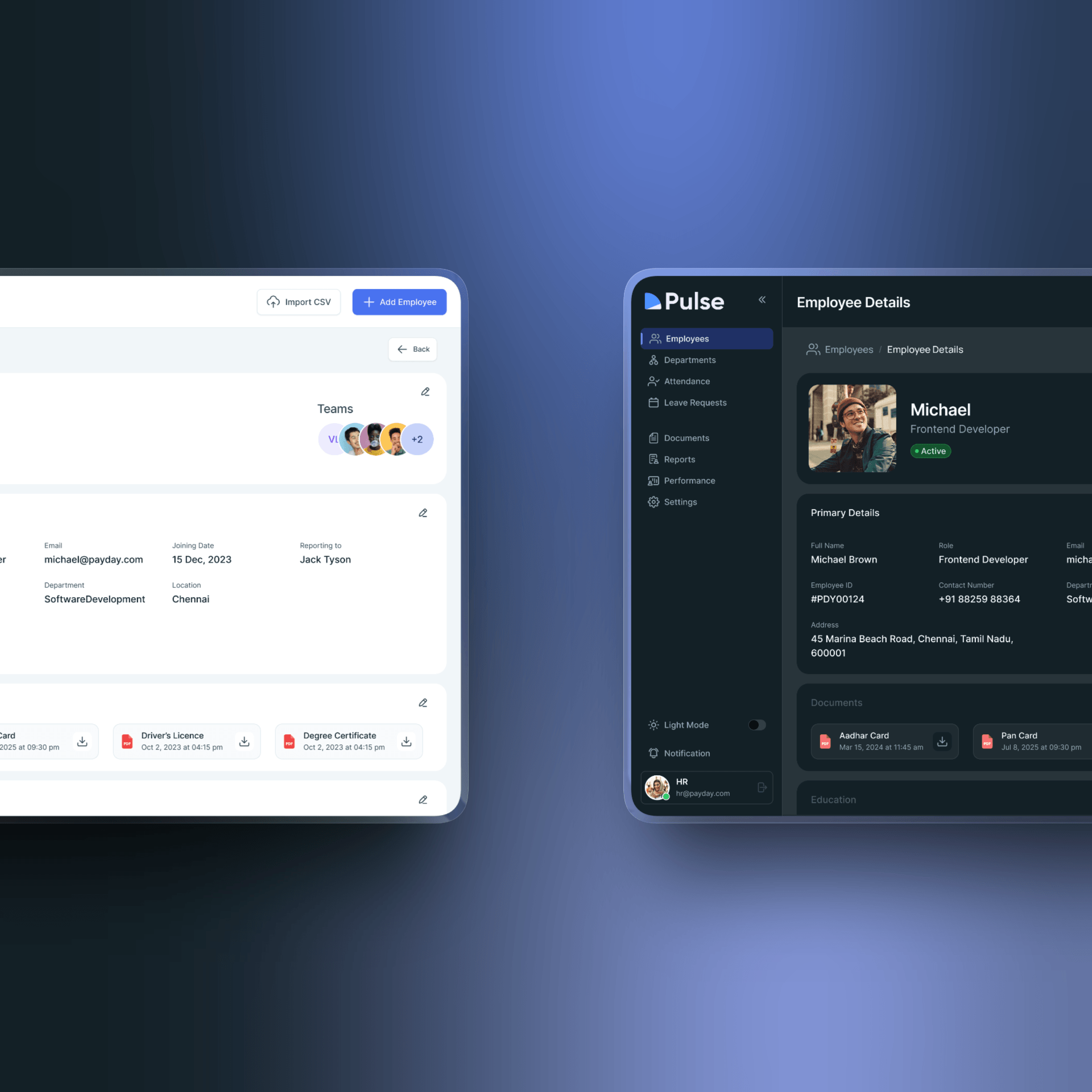
ClearDesk delivers a unified, role-aware HR experience that scales from 50-person startups to 10,000-person enterprises. Feature abandonment dropped by 61% and customer churn fell from 19% to 6%.
Key improvements
Role-aware dashboard with smart task queues
4-step hiring pipeline with one-click offers
Automated onboarding with live progress
Full feature parity on tablet and mobile